Mapping the Layers: Why Asymptomatic Eye Exams Are Vital for Chronic Ocular Health
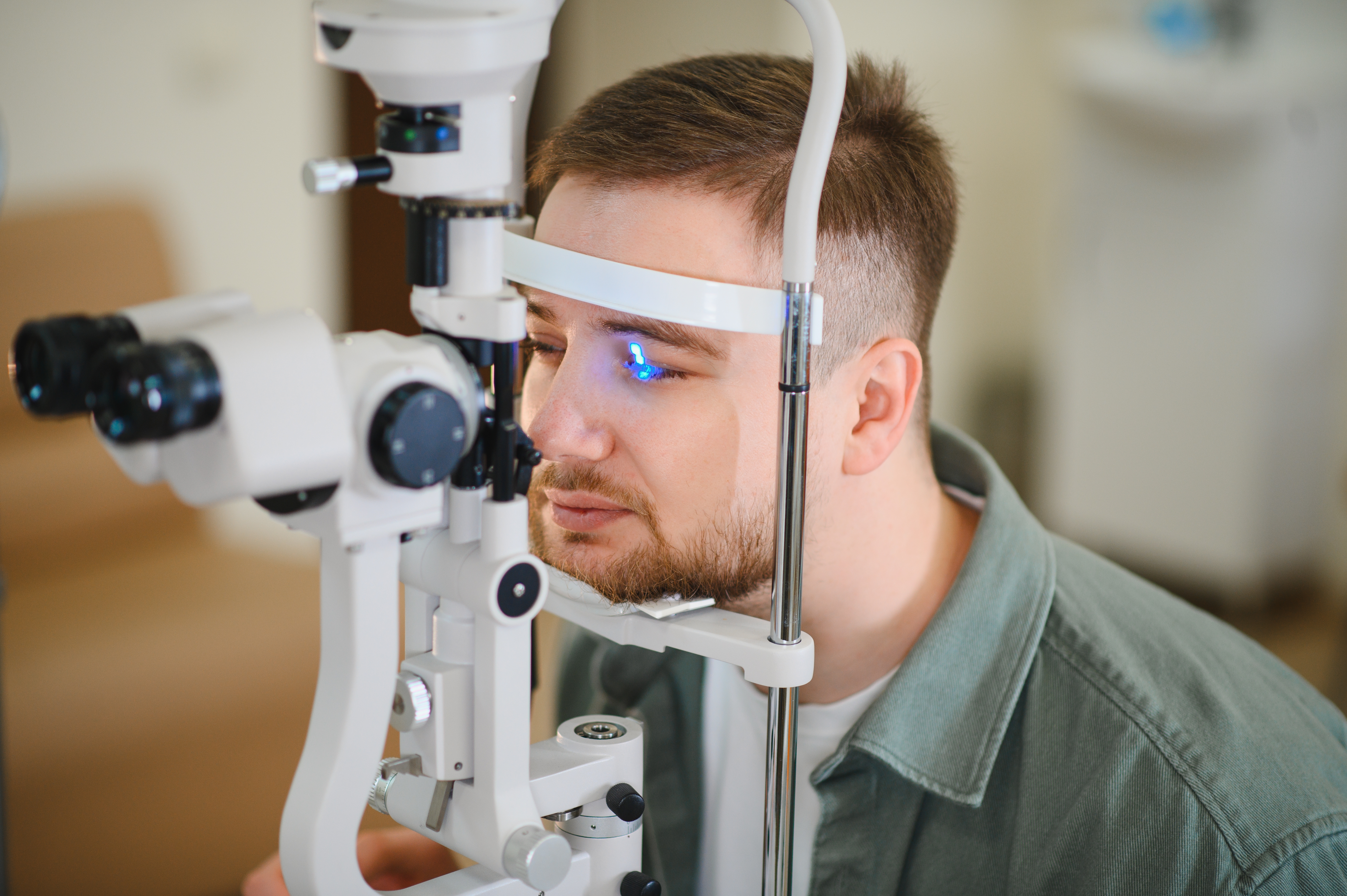
Many people wait to schedule an eye exam until their vision becomes blurry, their glasses stop working, or their eyes feel uncomfortable. The problem is that some eye conditions can develop quietly long before symptoms appear. An asymptomatic eye exam helps your optometrist look beyond how clearly you see and evaluate the deeper layers of eye health.
At Norwood Family Eye Care in Bartlett, patients receive comprehensive eye care designed to support clear vision, early detection, and long-term ocular health.
What Does Asymptomatic Mean?
Asymptomatic means a condition is present or developing without noticeable symptoms. In eye care, this can be especially important because vision changes are not always obvious right away. Your brain may adapt to small changes, or one eye may compensate for the other.
You may feel that your vision is fine, but that does not always mean the eyes are healthy. Routine eye exams help detect concerns that may not cause pain, redness, or blur in the early stages.
Why Eye Exams Look Beyond The Vision Chart
The vision chart is only one part of a comprehensive eye exam. Reading letters can measure visual clarity, but it does not fully evaluate the retina, optic nerve, eye pressure, tear film, blood vessels, or other structures that affect long-term vision.
During an annual eye exam, your optometrist may assess how the eyes work together, how they focus, whether your prescription has changed, and whether there are signs of chronic ocular health problems.
Chronic Eye Conditions Can Be Silent
Some eye diseases can progress slowly and without early warning signs. Glaucoma, diabetic eye disease, macular degeneration, cataracts, retinal changes, and dry eye complications may begin before a patient notices a problem.
This is why regular exams are important for Bartlett families, especially for patients with diabetes, high blood pressure, autoimmune conditions, high myopia, a family history of eye disease, or long-term contact lens wear.
What Your Eye Doctor May Look For
A comprehensive eye exam can help identify subtle changes that are easy to miss without professional testing. Your optometrist may look for:
- Eye pressure changes that may increase glaucoma risk
- Optic nerve changes or thinning
- Retinal changes related to diabetes or hypertension
- Early cataract development
- Macular changes that affect central vision
- Dry eye signs on the eye surface
- Corneal changes from contact lens wear
- Prescription shifts that may signal other concerns
These findings do not always mean something serious is happening, but they help guide monitoring and treatment.
Why Mapping The Eye Matters
Modern eye care often involves evaluating multiple layers and structures of the eye. The retina, optic nerve, cornea, lens, and tear film all provide different information. When your eye doctor can compare these findings over time, small changes may become easier to detect.
This layered approach is especially valuable for chronic ocular health because many conditions need monitoring before treatment is necessary. Early detection can help protect vision and give patients more options.
Who Should Prioritize Routine Eye Exams?
Everyone can benefit from routine eye exams, but some patients should be especially consistent. Adults over 40, children with learning or focusing concerns, patients with diabetes, people with a family history of glaucoma or macular degeneration, and contact lens wearers should not wait for symptoms.
For patients in Bartlett and the greater Memphis area, annual exams can help track changes caused by age, health conditions, screen use, medications, and environmental factors.
Symptoms Still Matter
Asymptomatic exams are important, but symptoms should never be ignored. Sudden flashes, new floaters, eye pain, vision loss, double vision, redness, or a curtain-like shadow in your vision should be evaluated promptly. These symptoms may require urgent eye care.
If your eyes feel normal, routine exams help maintain a baseline. If symptoms appear, that baseline can help your doctor understand what changed.
Protecting Long-Term Ocular Health
Chronic ocular health depends on regular monitoring, early detection, and personalized recommendations. An annual eye exam is a simple step that can reveal important information about your eyes before symptoms interfere with daily life.
To schedule an asymptomatic eye exam or comprehensive eye health evaluation, contact Norwood Family Eye Care in Bartlett, TN at 7424 US Hwy 64, Ste 117, Bartlett, TN 38133, or call (901) 617-8095.


MAP

CONTACT INFORMATION

HOURS OF OPERATION
Monday 9:00 AM - 5:00 PM
Tuesday 9:00 AM - 5:00 PM
Wednesday 9:00 AM - 5:00 PM
Thursday 9:00 AM - 5:00 PM
Friday Appointments/Emergencies Only
The doctor's hours may vary from office hours.
Saturday Closed
Sunday Closed
Closed Daily For Lunch From 12pm - 1:30pm.
© 2026 Norwood Family Eye Care. All Rights Reserved. Accessibility Statement - Privacy Policy - Sitemap
Powered by: