Is It Fall Allergies or Dry Eye? How Bartlett’s Autumn Ragweed Spike Hits Your Eyes
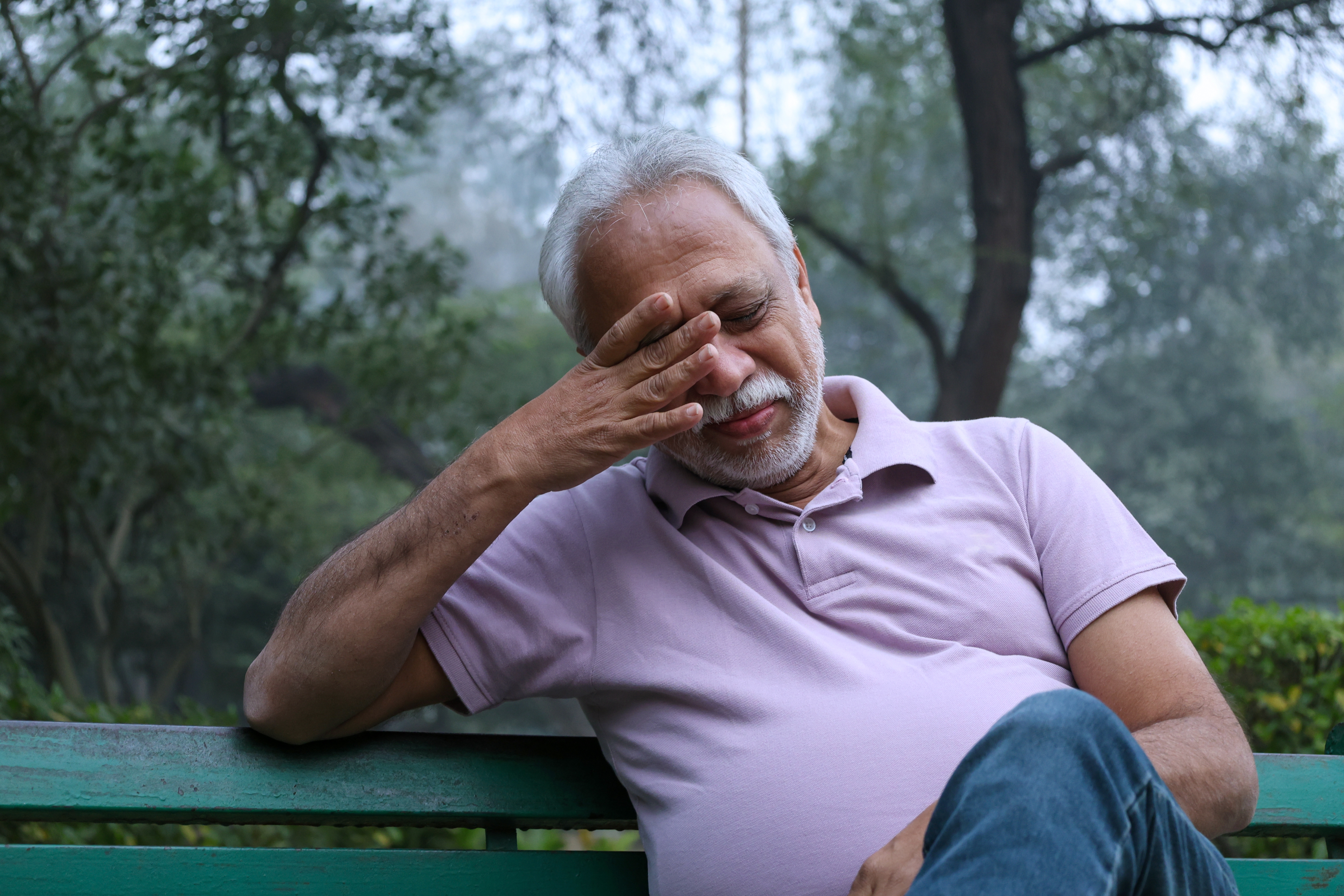
Autumn in Bartlett can bring cooler temperatures along with another familiar seasonal problem - itchy, watery, irritated eyes. Ragweed and other fall allergens can trigger eye allergies, while changing weather, indoor air conditioning, screen time, and tear film problems can make dry eye symptoms more noticeable.
At Norwood Family Eye Care in Bartlett, we evaluate both chronic dry eye and allergy-related irritation. Because the symptoms can overlap, determining what is actually causing your discomfort is an important first step toward finding the right treatment.
How Fall Ragweed Affects Your Eyes
Ragweed pollen is a common fall allergen throughout the Mid-South. When pollen reaches the surface of sensitive eyes, the immune system can release histamine and trigger allergic conjunctivitis.
Eye allergies commonly affect both eyes and can become more noticeable after time spent outdoors on windy days.
Signs that fall allergies may be involved include:
- Intense itching
- Clear, watery eyes
- Redness
- Puffy or swollen eyelids
- Symptoms that worsen outdoors
- Sneezing or nasal congestion
- Similar eye irritation every fall
Itching is one of the strongest clues that allergies are contributing. However, dryness and allergies can occur at the same time.
Why Dry Eye Can Cause Watery Eyes Too
It may sound contradictory, but dry eyes can water excessively.
Your tear film needs the right balance of moisture and oils to remain stable. When tears evaporate too quickly or the eyes do not produce enough healthy tears, the ocular surface becomes irritated. The eyes may respond by producing watery reflex tears.
These tears can run down your cheeks without providing the lasting lubrication your eyes need.
Dry eye often causes burning, grittiness, fluctuating vision, tired eyes, or the feeling that something is stuck under your eyelids. Symptoms may become more noticeable after extended screen use or exposure to moving air.
Meibomian Gland Dysfunction Can Be Part of the Problem
One common cause of evaporative dry eye is meibomian gland dysfunction, or MGD.
The meibomian glands along the eyelids produce oils that help keep the watery portion of your tears from evaporating. If these glands become blocked or do not release healthy oils, tears may disappear from the eye's surface too quickly.
Fall pollen and allergy-related inflammation can make an already unstable tear film feel even more uncomfortable.
This is why some Bartlett patients find that ordinary allergy drops do not completely resolve their symptoms.
Allergies and Dry Eye Often Overlap
You do not necessarily have to choose between fall allergies and dry eye. Both conditions can contribute to the same flare-up.
Allergies can increase inflammation and irritation, while dry eye can make the ocular surface more sensitive to environmental triggers. Some oral antihistamines may also contribute to dryness in certain patients.
Using the wrong treatment may provide only partial relief. Artificial tears may help dryness without controlling allergies, while allergy medication may reduce itching without correcting an unstable tear film.
How We Treat Chronic Dry Eye
Norwood Family Eye Care offers dry eye treatment based on the underlying cause.
For appropriate patients, options may include lubricating or prescription eye drops, punctal plugs to help retain natural tears, and TearCare to apply controlled heat to the eyelids and address blocked oil glands.
Your treatment plan depends on whether symptoms are being driven primarily by tear evaporation, inadequate tear production, allergies, eyelid problems, or a combination of factors.
Reducing Autumn Eye Irritation in Bartlett
Wearing sunglasses outdoors can help shield your eyes from pollen and wind. After spending time outside, washing your face and avoiding eye rubbing can reduce additional irritation.
Preservative-free artificial tears may also help rinse allergens from the ocular surface while providing temporary lubrication.
If itchy, watery, burning, or gritty eyes keep returning this fall, schedule an evaluation with Norwood Family Eye Care at 7424 US Hwy 64, Suite 117, Bartlett, TN 38133, or call (901) 617-8095 to determine whether seasonal allergies, dry eye, or both are contributing to your symptoms.


MAP

CONTACT INFORMATION

HOURS OF OPERATION
Monday 9:00 AM - 5:00 PM
Tuesday 9:00 AM - 5:00 PM
Wednesday 9:00 AM - 5:00 PM
Thursday 9:00 AM - 5:00 PM
Friday Appointments/Emergencies Only
The doctor's hours may vary from office hours.
Saturday Closed
Sunday Closed
Closed Daily For Lunch From 12pm - 1:30pm.
© 2026 Norwood Family Eye Care. All Rights Reserved. Accessibility Statement - Privacy Policy - Sitemap
Powered by: